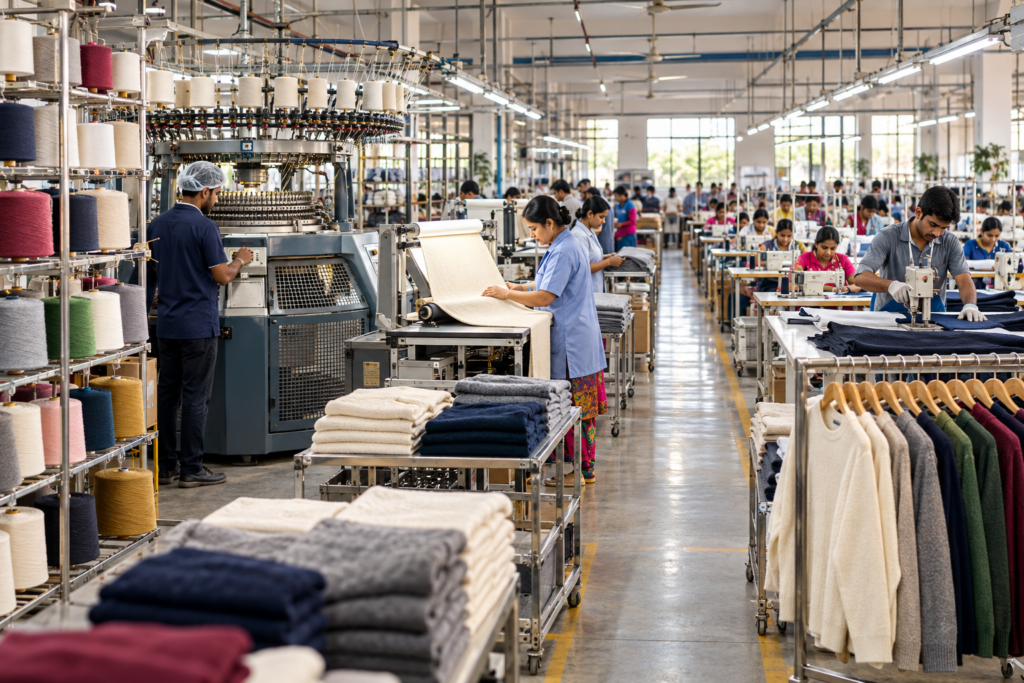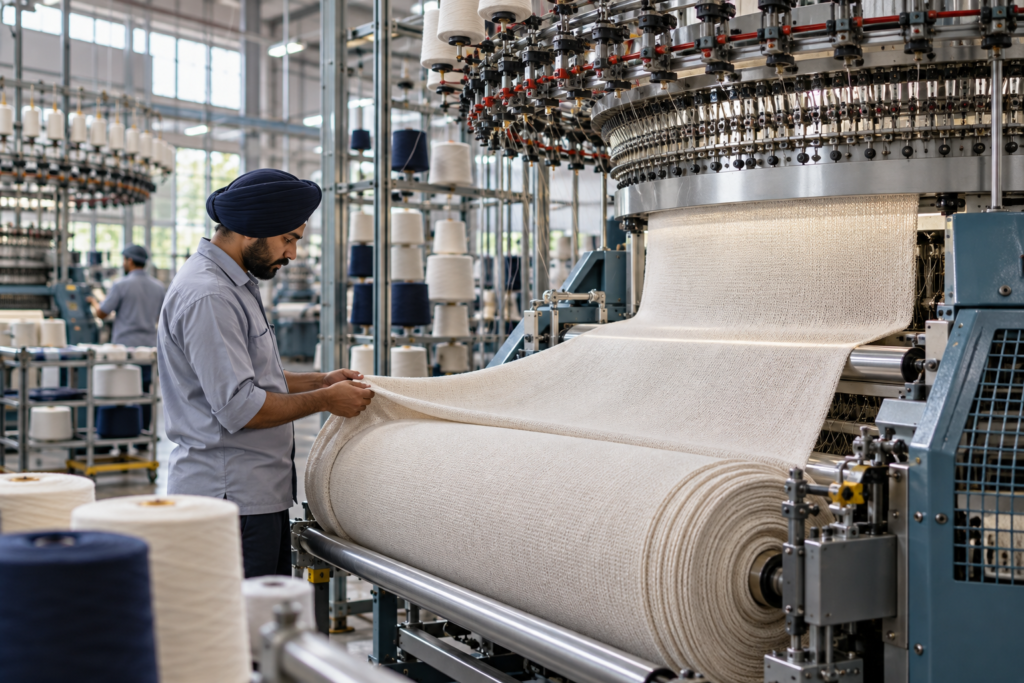

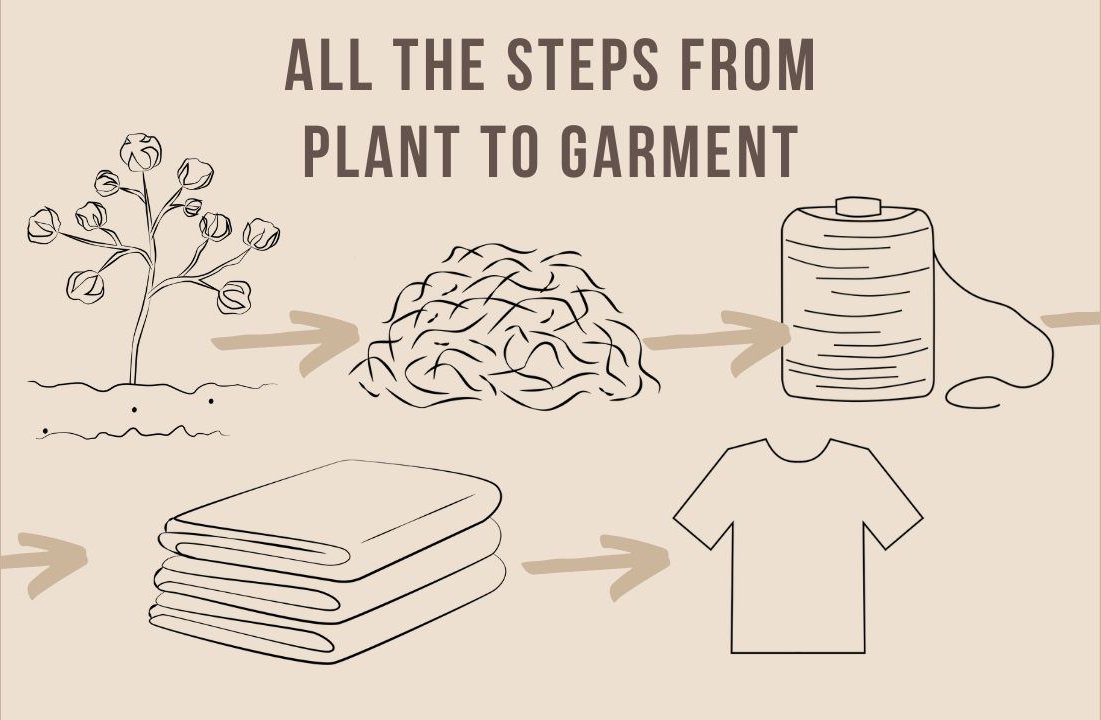
Fabric is made by turning raw fibres into yarn, then joining the yarn together by weaving or knitting, and finally dyeing and finishing the cloth so it is ready for garments, home textiles or industrial use. The whole process has five main stages: fibre selection, spinning, fabric formation, dyeing and printing, and finishing. Each stage affects the quality, feel and price of the final fabric.
At Sarjan Global, we work with [cotton / polyester / blended fabrics] for buyers in [markets/industries]. Here is how the process works, in plain language.
Stage 1: Fibre Selection
Every fabric starts with fibre. Fibres fall into two groups:
- Natural fibres: cotton, wool, silk, linen and jute
- Synthetic fibres: polyester, nylon, viscose and acrylic
The fibre you choose decides how the fabric breathes, wears, stretches and washes. Cotton is soft and breathable, while polyester is durable and wrinkle-resistant. Many manufacturers blend the two to get the benefits of both.
Stage 2: Spinning Fibre into Yarn
Raw fibre is cleaned, combed and aligned, then twisted into continuous strands called yarn. Finer, tighter yarn produces smoother and stronger fabric, and yarn thickness is measured as “count.” A higher count generally means a finer yarn. Choosing the right yarn count is one of the biggest decisions in fabric quality.
Stage 3: Forming the Fabric (Weaving or Knitting)
Yarn becomes fabric in one of two main ways.
Weaving interlaces two sets of yarn at right angles on a loom. Woven fabric is stable, strong and holds its shape, which makes it suitable for shirts, uniforms, bedsheets and upholstery. Common weaves include plain, twill and satin.
Knitting loops yarn together in rows. Knitted fabric stretches and drapes well, which is why it is used for T-shirts, activewear and hosiery.
| Woven fabric | Knitted fabric | |
|---|---|---|
| Structure | Yarns cross at right angles | Yarns form interlocking loops |
| Stretch | Low | High |
| Common uses | Shirts, uniforms, curtains | T-shirts, sportswear, socks |
The untreated cloth that comes off the loom or knitting machine is called greige (grey) fabric.
Stage 4: Dyeing and Printing
Greige fabric is first cleaned (to remove oils, wax and impurities) and bleached. It is then coloured by:
- Dyeing: immersing the fabric or yarn in dye so the colour sets throughout
- Printing: applying patterns on the surface using rotary, screen or digital methods
Good dyeing needs consistent shade matching and colour fastness, meaning the colour does not fade or bleed in washing or sunlight. This is a key quality check for any buyer.
Stage 5: Finishing
Finishing gives the fabric its final feel and performance. Common treatments include:
- Softening for a better hand feel
- Calendering for a smooth, glossy surface
- Pre-shrinking so the fabric keeps its size after washing
- Functional finishes such as water repellence, wrinkle resistance or anti-microbial treatment
Quality Checks Before Dispatch
Reliable manufacturers test fabric for GSM (weight per square metre), shrinkage, tensile strength, colour fastness and defects before packing. Ask any supplier for [test reports / certifications such as OEKO-TEX, ISO] before placing a bulk order.
How to Choose a Fabric Manufacturer
- Check that they can produce your required fabric type, GSM and width.
- Ask for samples before committing to a bulk order.
- Confirm minimum order quantity and lead time.
- Review their testing and quality process.
- Look for consistent communication and clear pricing.
Get Fabric from Sarjan Global
Looking for a dependable fabric manufacturer in your location? Sarjan Global supplies fabric types with key strengths, e.g. consistent quality, custom GSM, fast sampling.
Contact us for a quote