
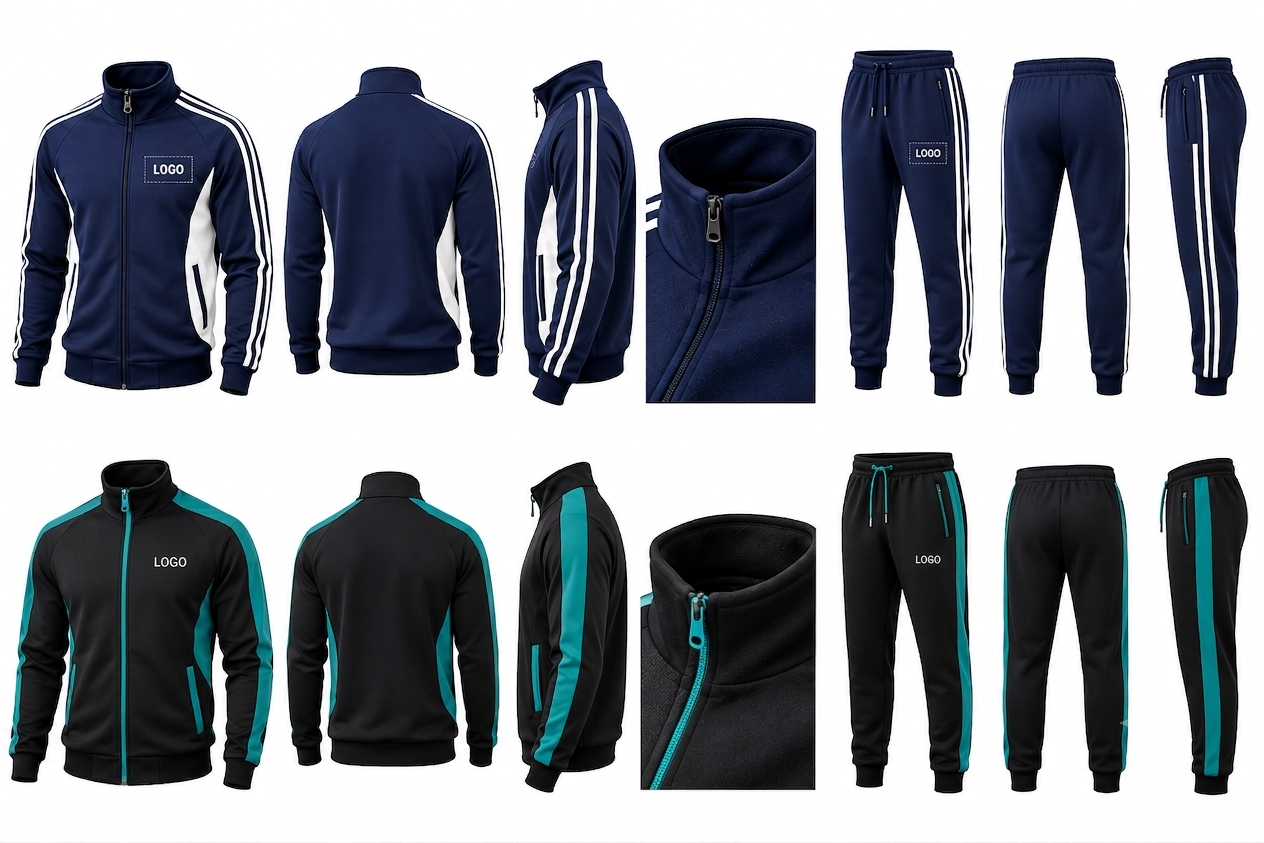
Corporate uniform manufacturing means producing branded staff clothing in bulk, to your colours, sizes, fabrics and logo specification, with the same quality in every reorder. For UK and EU companies, the main decisions are fabric, sizing, colour matching, compliance and lead time. This guide covers each one so you can brief a manufacturer properly and avoid delays.
Sarjan Global manufactures [uniform types, e.g. shirts, trousers, polos, jackets, aprons] for companies in [sectors and markets], from fabric development through to finished, packed garments.
Who needs custom uniforms?
Uniform buyers in the UK and EU usually come from hotels and restaurants, airlines and travel, healthcare and care homes, retail chains, security and facilities companies, schools, logistics and manufacturing firms. Each sector wants something different. A hotel wants a smart look that survives daily laundering. A warehouse wants durability and, often, high visibility. A care provider wants fabric that is comfortable over a long shift and easy to wash at high temperatures.
Choosing the right uniform fabric
| Fabric | Best for | Advantages | Watch out for |
|---|---|---|---|
| 100% cotton | Chef wear, hospitality, summer uniforms | Soft, breathable, absorbent | Wrinkles and can shrink |
| Polyester-cotton blend (such as 65/35) | Most corporate and workwear uniforms | Durable, holds shape, quick drying, easy care | Less breathable than pure cotton |
| 100% polyester | Outerwear, hi-vis, aprons | Strong, colour holds well, low shrinkage | Can feel warm |
| Stretch blends | Active roles, retail floor staff | Freedom of movement | Check recovery after many washes |
| Twill or drill weaves | Trousers, jackets, workwear | Hard-wearing | Heavier, so check GSM |
Choose by wear and washing, not just price. If staff wash uniforms at home, ask for shrinkage and colour fastness results. If an industrial laundry handles them, ask about performance at high temperatures. Our guides on cotton vs polyester fabric and how fabric is made explain GSM, yarn count and finishing.
Colour matching and brand consistency
Corporate colours are where uniform orders often go wrong. Ask your manufacturer to supply lab dips (small dyed fabric samples) for approval against your Pantone or colour reference before bulk dyeing, and to keep an approved standard for every reorder. Batch-to-batch variation shows up quickly when old and new uniforms are worn together, so confirm how shade consistency is checked.
Logos, embroidery and trims
Decide early how the logo is applied: embroidery, screen print, heat transfer or woven patch. Embroidery lasts longer on polos and jackets, while print can suit lighter garments. Specify logo size and position, thread colours, buttons, zips, labels and packaging in your tech pack. A complete specification reduces sample rounds.
Sizing for UK and EU workforces
UK and EU sizing systems differ, and your staff will span a wide range. Send the manufacturer a size chart in centimetres, not just size labels, and agree the size range, grading and tolerance before sampling. For multi-country workforces, ask for a combined size label and plan a fit session with a sample set. Our post on UK vs EU clothing sizes covers this in more detail.
Ask your supplier for test reports, and check requirements with your own compliance adviser or the relevant official guidance before ordering.
The corporate uniform manufacturing process
- Brief: garments, quantities, sizes, colours, logo, budget and deadline
- Fabric selection: swatches, GSM, composition and finish
- Samples: pattern, fit sample, lab dip and logo sample
- Approval: sign off on fit, colour and workmanship
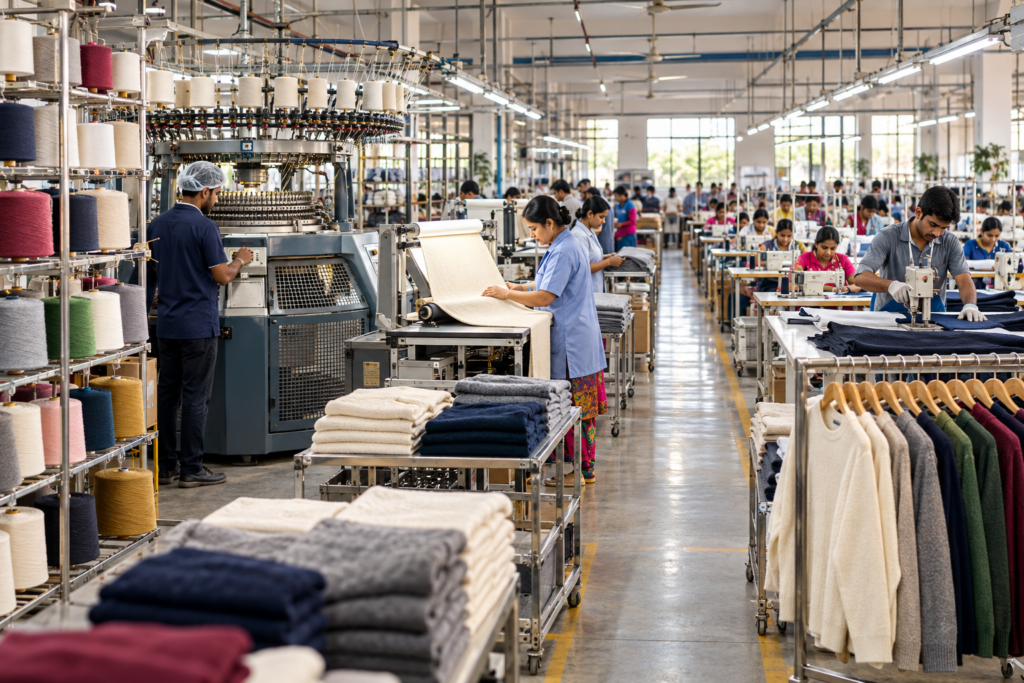
- Bulk production: cutting, stitching, finishing and in-line checks
- Quality inspection: measurements, shade, stitching and logo placement
- Packing and shipping: sizes packed by cartons or by employee if needed
- Reorders: repeat the approved standard for new hires and replacements
At Sarjan Global, typical lead times are [sample days] for samples and [production weeks] for bulk, plus shipping.
Minimum order quantities and pricing
Price depends on fabric, garment construction, logo work, quantity and packing. MOQs are usually per style and colour, so a small company with several roles should plan the range accordingly. Ask for a written quotation that separates sample cost, unit price, logo cost and packing, and ask whether prices improve at higher volumes. Our MOQ for uniforms is [MOQ].
Importing uniforms from India to the UK and EU
The India-UK trade agreement came into force on 15 July 2026 and removes import duties of up to 12 percent on Indian apparel and home textiles, provided origin requirements are met. For the EU, concluding negotiations is not the same as entry into force, so check the current status before planning EU shipments. See our guide to importing clothing from India to the UK for the steps and documents.
How to choose a corporate uniform manufacturer
- Can they match your colours and keep them consistent across reorders?
- Do they have experience with orders of your size and sector?
- Will they provide samples, test reports and clear written terms?
- Can they handle sizing across UK and EU workforces?
- Do they offer reliable lead times and responsive communication in UK working hours?
- Can they supply origin and compliance documents for customs?
Frequently Asked Questions
What is the best fabric for corporate uniforms?
A polyester-cotton blend suits most uniforms because it holds its shape, resists wrinkles and survives frequent washing. Choose pure cotton for comfort in hot environments and polyester for hard-wearing outerwear.
How long does it take to make a custom uniform order?
Allow time for samples, approvals, bulk production and shipping. Our typical timings are 4 and 6 week, plus transit.
What is a lab dip?
A lab dip is a small piece of fabric dyed to match your colour reference. You approve it before bulk dyeing so the final uniforms match your brand colour.
Can you embroider our logo on uniforms?
Yes, [confirm: embroidery, screen printing, heat transfer, woven patches]. Send your logo as a vector file and tell us the size and position you need.
Do UK and EU uniform sizes differ?
Yes. Send a size chart in centimetres, and agree the size range and tolerances with your manufacturer before sampling.
Is there duty on uniforms imported from India to the UK?
Duty on Indian apparel was removed under the India-UK agreement for qualifying goods, and import VAT still applies. Check the commodity code and origin proof with your customs broker.
Get Your Uniforms Made with Sarjan Global
Send us your garment list, quantities, colours and logo, and we will recommend fabrics, supply samples and confirm lead times and MOQ.